Apes on the Edge
Chimpanzee Life on the West African Savanna
9780226837512
9780226837529
9780226837536
9780226849751
Apes on the Edge
Chimpanzee Life on the West African Savanna
A moving story of survival and an eye-opening introduction to an extraordinary community of chimps and people.
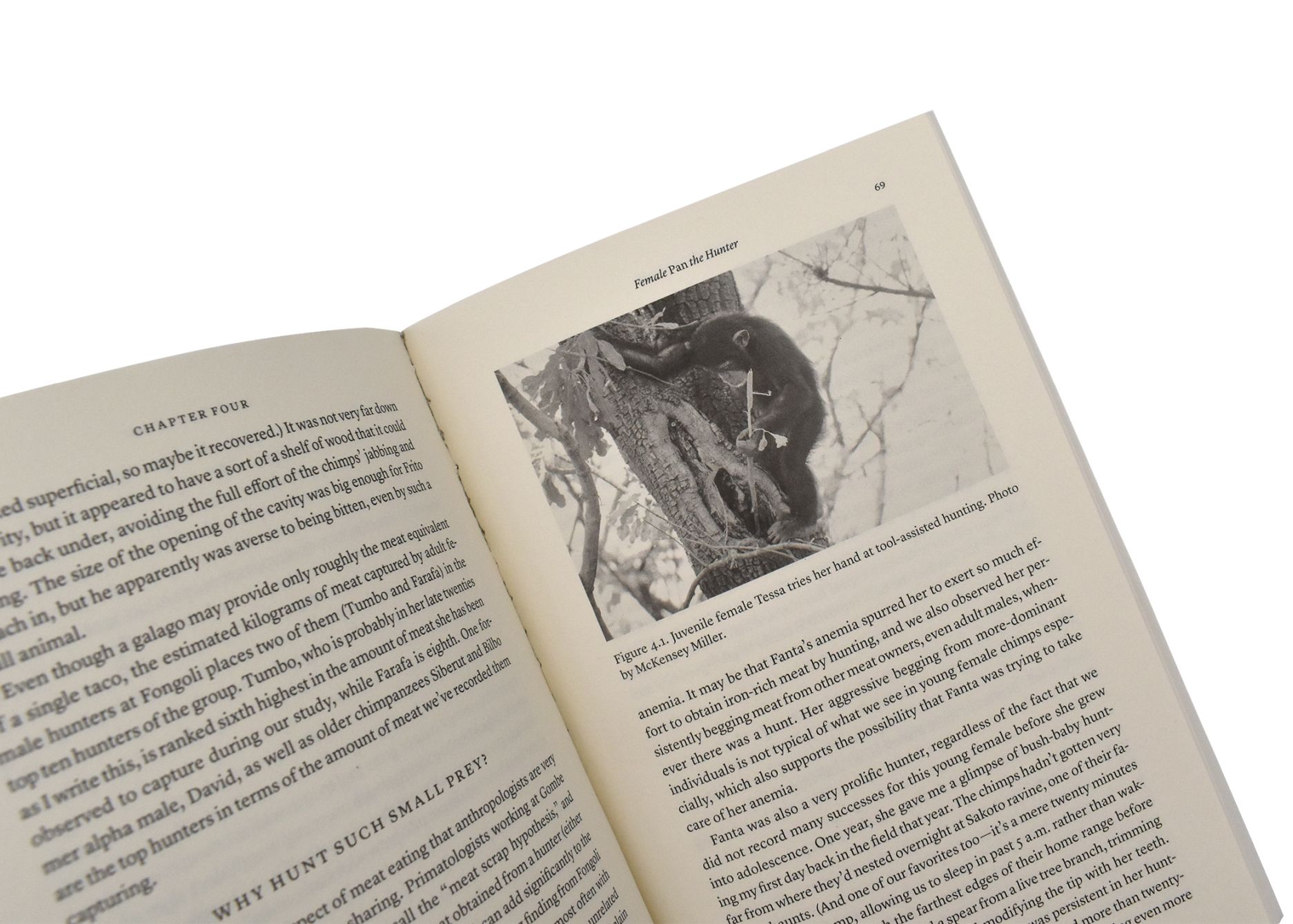
Fongoli chimpanzees are unique for many reasons. Their female hunters are the only apes that regularly hunt with tools, seeking out tiny bush babies with wooden spears. Unlike most other chimps, these apes fear neither water nor fire, using shallow pools to cool off in the Senegalese heat. Up to 90 percent of their home range burns annually—the result of human hunting or clearing for gold mining—and Fongoli chimpanzees have learned to predict the movement of such fires and to avoid them.
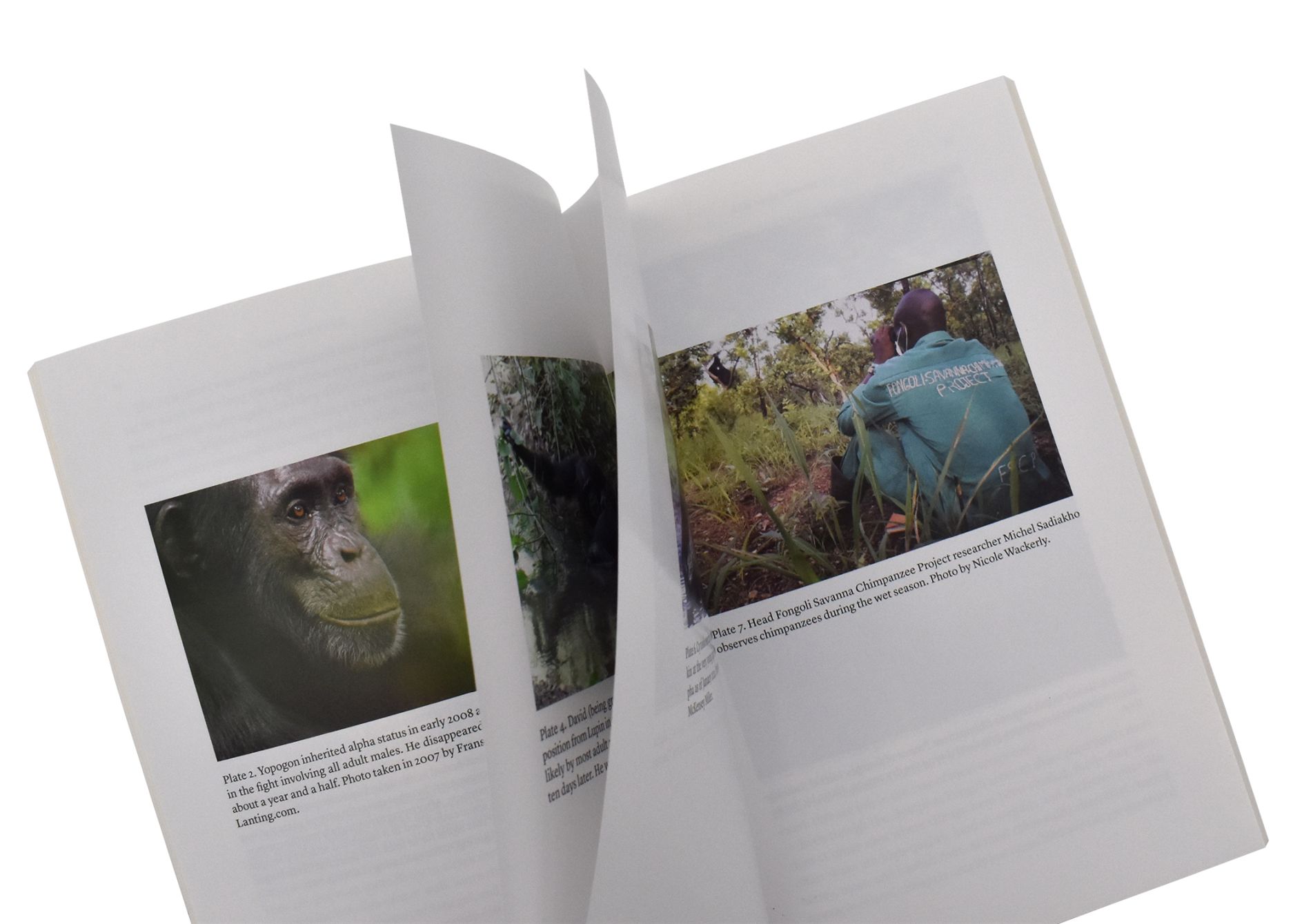
The study of Fongoli chimps is also unique. While most primate research occurs in isolated reserves, Fongoli chimpanzees live alongside humans, and as primatologist and anthropologist Jill Pruetz reports, this shared habitat creates both challenges and opportunities. The issues faced by Fongoli chimpanzees—particularly food scarcity and environmental degradation—are also issues faced by their human neighbors. This connection is one reason Pruetz, who has studied Fongoli apes for over two decades, created the nonprofit Neighbor Ape in 2008 to provide for the welfare of the humans who share their landscape with apes. It is also why Pruetz decided to write this book, the first to offer readers a view of these chimps’ lives and to explain the specific conservation efforts needed to help them. Incorporating stories from Pruetz’s time in the field, including the compelling rescue of a young chimp from poachers, Apes on the Edge opens a fascinating window into primate research, conservation, and the inner workings of a very special population of our closest nonhuman relatives.
Fongoli chimpanzees are unique for many reasons. Their female hunters are the only apes that regularly hunt with tools, seeking out tiny bush babies with wooden spears. Unlike most other chimps, these apes fear neither water nor fire, using shallow pools to cool off in the Senegalese heat. Up to 90 percent of their home range burns annually—the result of human hunting or clearing for gold mining—and Fongoli chimpanzees have learned to predict the movement of such fires and to avoid them.
The study of Fongoli chimps is also unique. While most primate research occurs in isolated reserves, Fongoli chimpanzees live alongside humans, and as primatologist and anthropologist Jill Pruetz reports, this shared habitat creates both challenges and opportunities. The issues faced by Fongoli chimpanzees—particularly food scarcity and environmental degradation—are also issues faced by their human neighbors. This connection is one reason Pruetz, who has studied Fongoli apes for over two decades, created the nonprofit Neighbor Ape in 2008 to provide for the welfare of the humans who share their landscape with apes. It is also why Pruetz decided to write this book, the first to offer readers a view of these chimps’ lives and to explain the specific conservation efforts needed to help them. Incorporating stories from Pruetz’s time in the field, including the compelling rescue of a young chimp from poachers, Apes on the Edge opens a fascinating window into primate research, conservation, and the inner workings of a very special population of our closest nonhuman relatives.
168 pages | 8 color plates, 25 halftones, 1 line drawings | 5 1/2 x 8 1/2 | © 2025
Biological Sciences: Behavioral Biology, Conservation
Reviews

Table of Contents
1 Fongoli
2 The Fongoli Chimpanzee Community
3 Coping with Savanna Heat
4 Female Pan the Hunter
5 Risks on the Savanna: Snakes, Bees, and Hippos, Oh My!
6 Neighbor Apes: Chimpanzees in a Human Landscape
7 Conservation Threats and the Future of the Fongoli Chimpanzees
Acknowledgments
Further Reading
Index
2 The Fongoli Chimpanzee Community
3 Coping with Savanna Heat
4 Female Pan the Hunter
5 Risks on the Savanna: Snakes, Bees, and Hippos, Oh My!
6 Neighbor Apes: Chimpanzees in a Human Landscape
7 Conservation Threats and the Future of the Fongoli Chimpanzees
Acknowledgments
Further Reading
Index