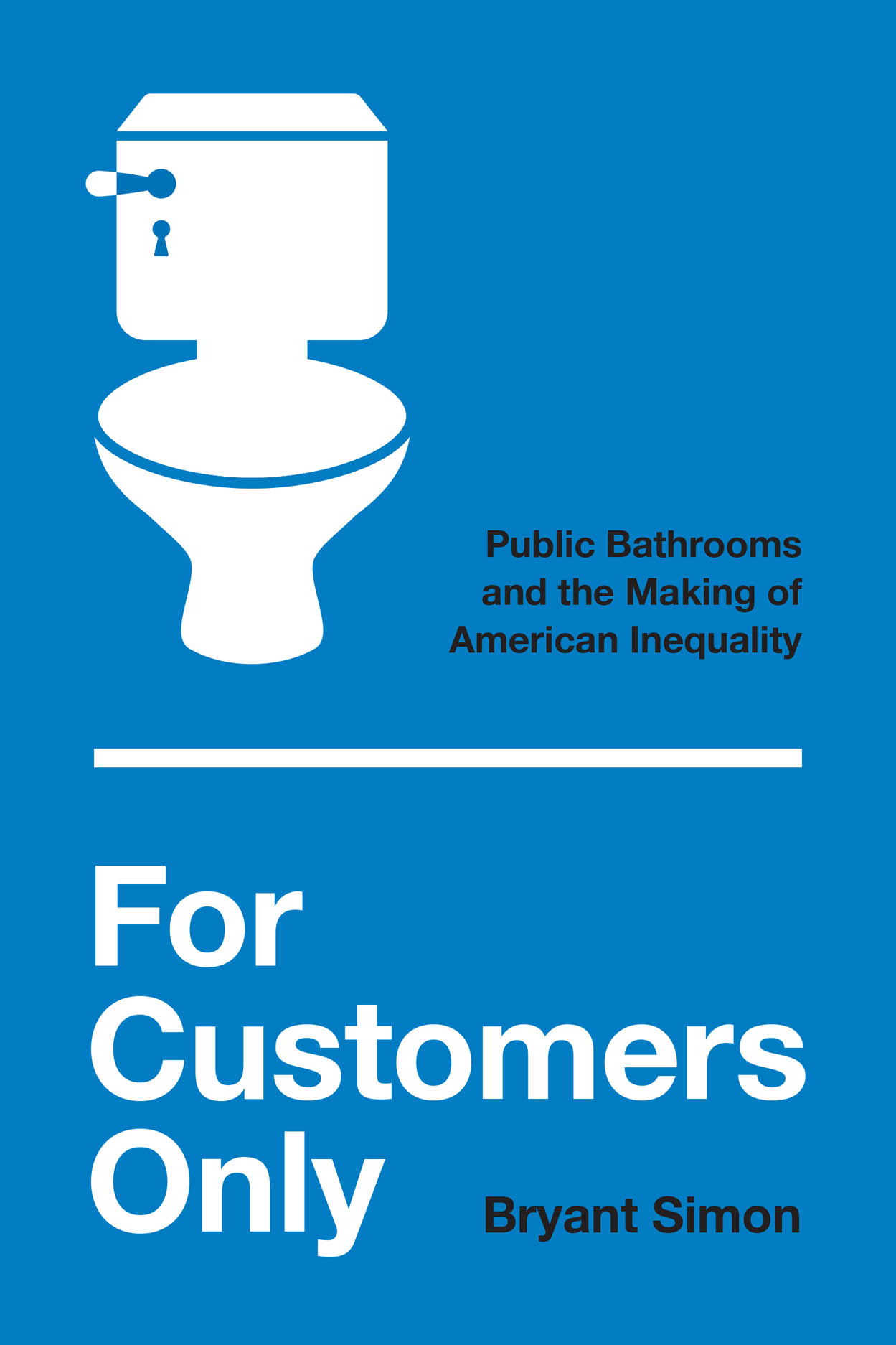
For Customers Only
Public Bathrooms and the Making of American Inequality
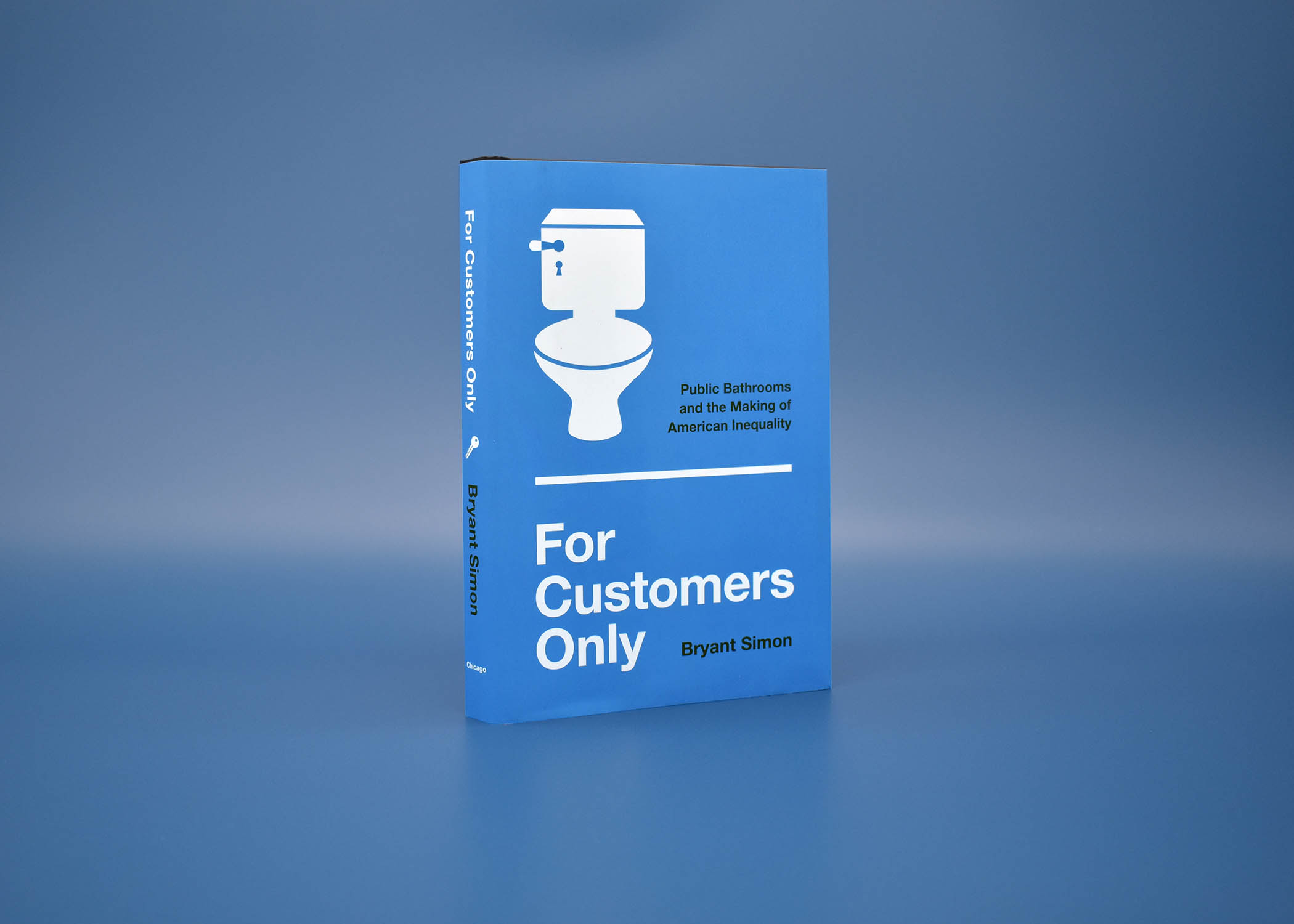
For Customers Only
Public Bathrooms and the Making of American Inequality
Public toilets determine who gets everyday dignity, freedom of movement, and civic belonging—and who doesn’t.
Americans have nowhere to go. Nationwide, countless public spaces lack one crucial thing: bathrooms, never mind ones that are safe and functional. Yet in the past, political leaders celebrated the opening of public bathrooms with boisterous press conferences and showy ribbon-cutting ceremonies.
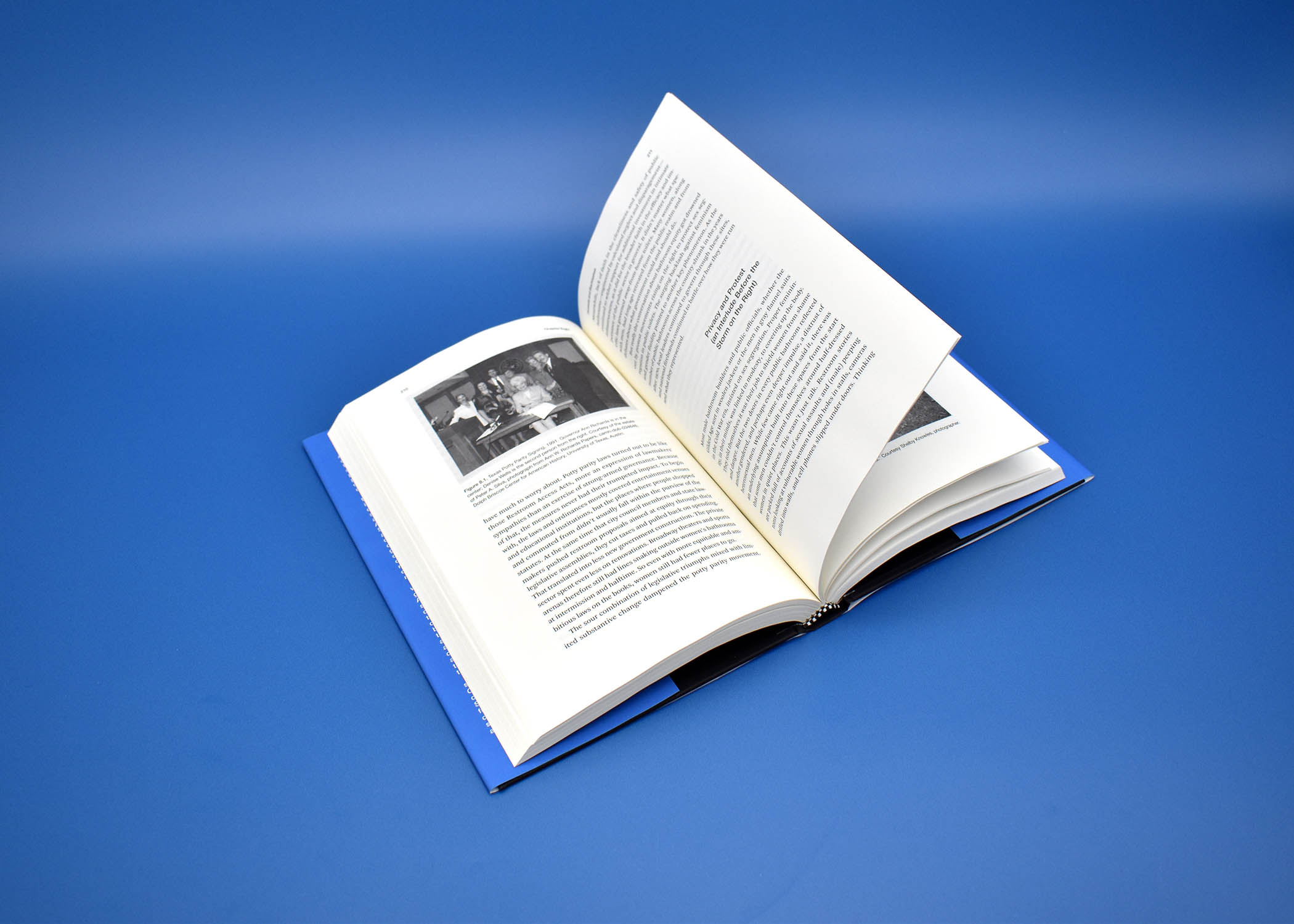
For Customers Only is the first book to tell the larger history of public bathrooms in the United States, a fascinating story characterized by persistent discrimination, squeamishness about unknown bodies, and disinvestment in public amenities. Acclaimed writer and historian Bryant Simon argues that restrooms aren’t only an architectural feature, but an emblem of control and inequality. In the late nineteenth century, cities vied for the newest and biggest comfort stations to meet the demands of their bustling economies and accommodate a broad and growing public. They built restrooms with gold-domed entrances and ornamented stall doors to inspire cleanliness and order.
But officials soon grew anxious about who might take advantage of this privacy: gay men, the unhoused, and eventually drug users. And as the civil rights movement challenged segregation, officials in the north and south closed public toilets rather than integrate them. By the end of the twentieth century, only people with means could use private bathrooms while out and about—provided they made a purchase at a business. Today, as the fights over trans rights reveal, bathroom access remains a flash point across the country. Meanwhile, some municipalities are again calling for widely available public toilets, but as a tool for economic revitalization, not a public necessity.
The political and cultural history of a squirm-inducing subject, For Customers Only reveals the real and symbolic power of the most ordinary of things. Bathrooms, Simon shows, have always reflected our fragmented national values. Whether these spaces will ever become more accessible and inclusive is ultimately up to us.
376 pages | 20 halftones | 6 x 9 | © 2026
History: American History
Political Science: Public Policy
Reviews

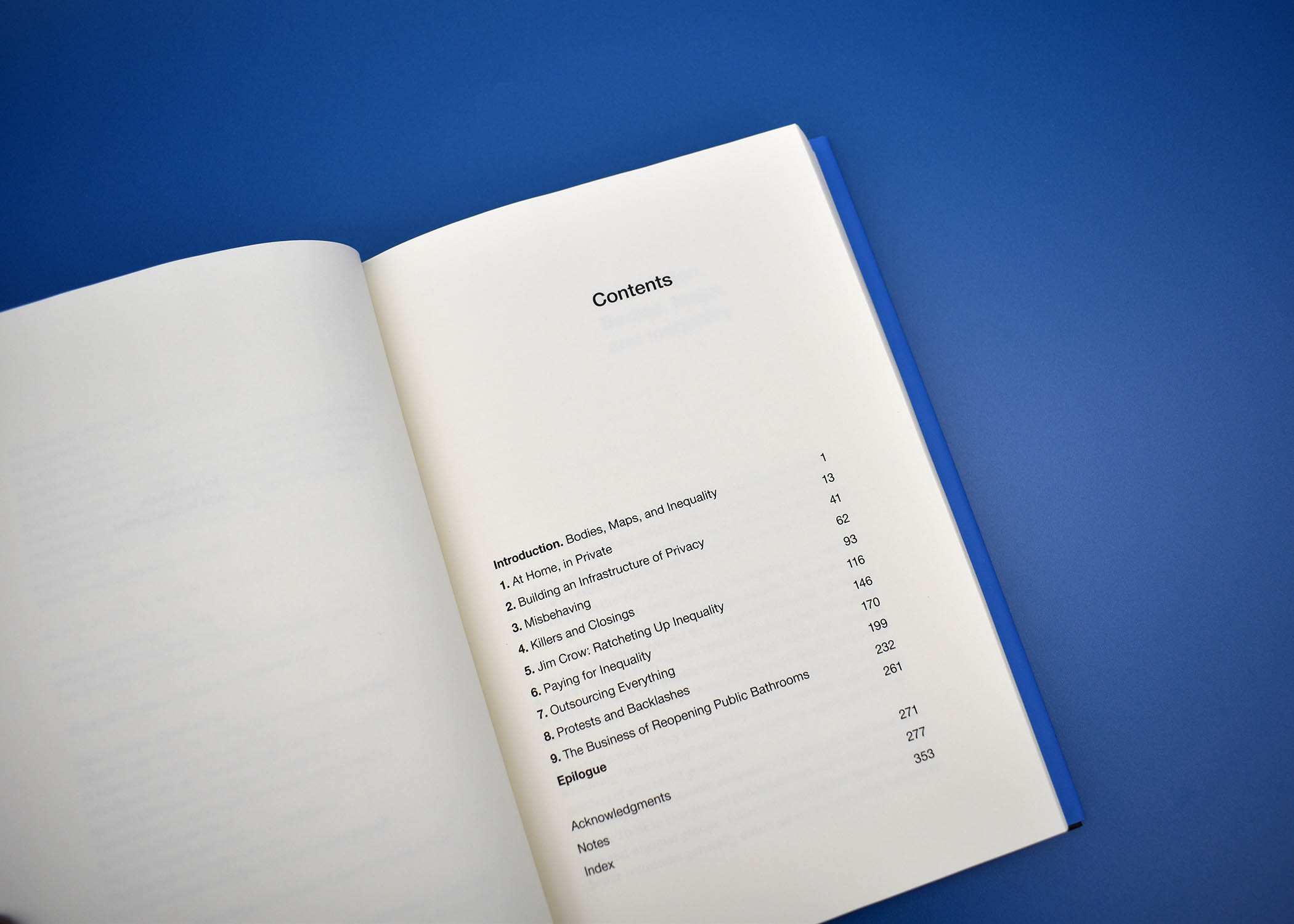
Table of Contents
Introduction. Bodies, Maps, and Inequality
1. At Home, in Private
2. Building an Infrastructure of Privacy
3. Misbehaving
4. Killers and Closings
5. Jim Crow: Ratcheting Up Inequality
6. Paying for Inequality
7. Outsourcing Everything
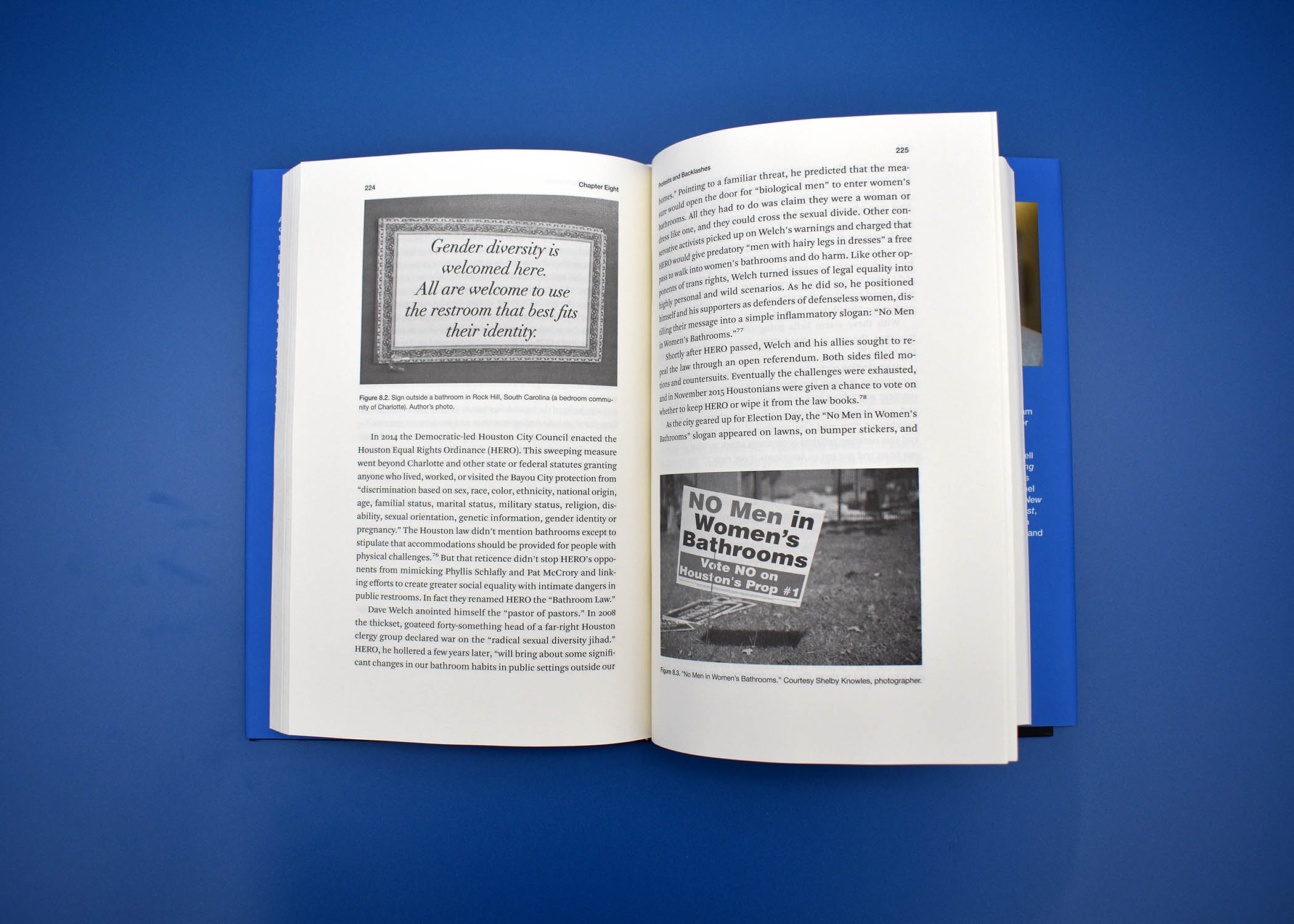
8. Protests and Backlashes
9. The Business of Reopening Public Bathrooms
Epilogue
Acknowledgments
Notes
Index
Author Events
Bryant Simon will read from and discuss For Customers Only at Comfort Kitchen
Bryant Simon will read from and discuss For Customers Only at Comfort Kitchen in Boston. For more information, visit the store's site.
Comfort Kitchen
611 Columbia Road
Boston, Massachusetts
Bryant Simon will read from and discuss For Customers Only at Politics and Prose at the Wharf
Bryant Simon will read from and discuss For Customers Only at Politics and Prose at the Wharf. For more information, visit the store's site.
Politics and Prose at the Wharf
610 Water Street SW
Washington, DC