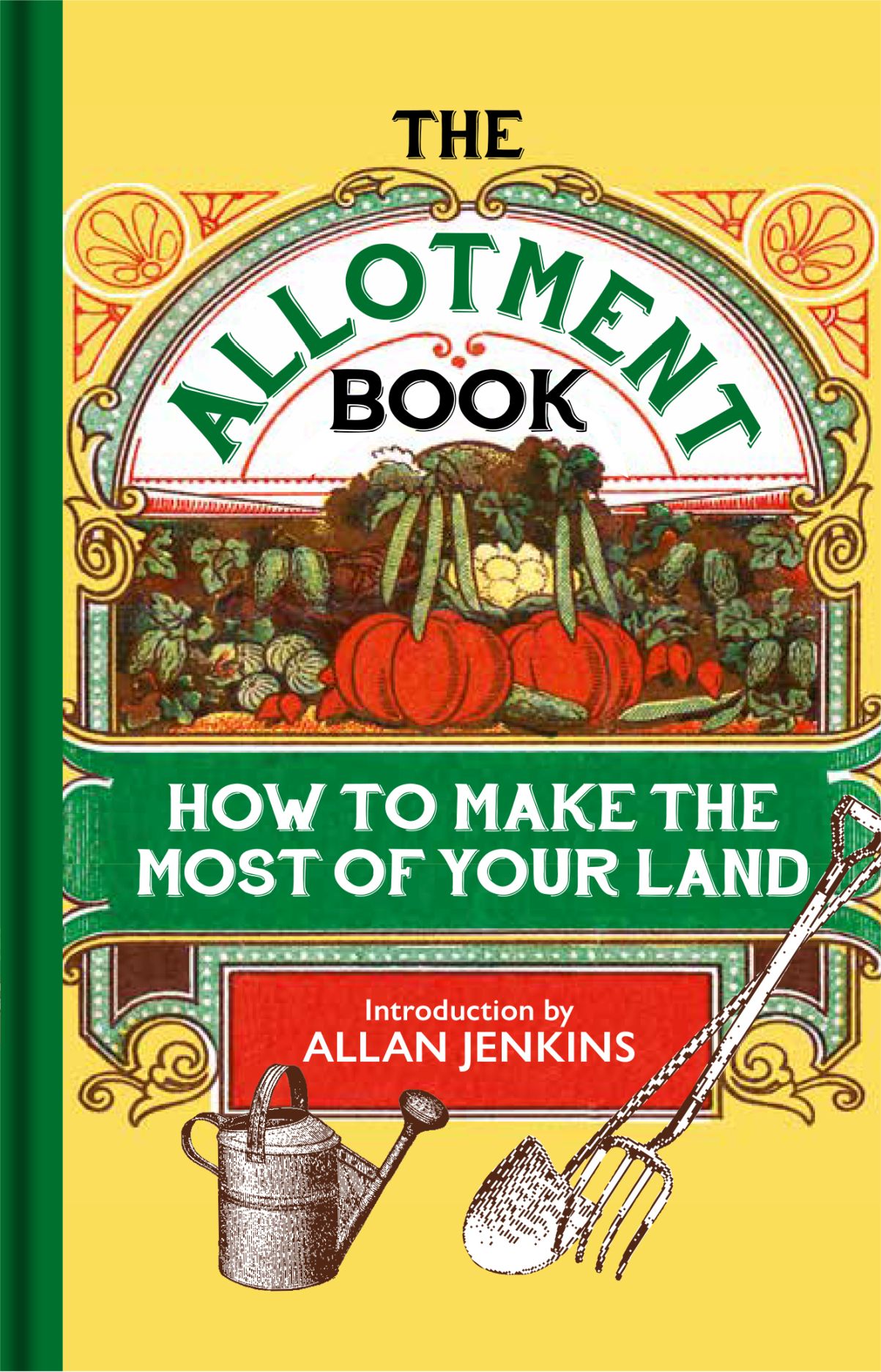
An accessible guide for making the most of backyard and community gardens.
First published to help British civilians grow vegetables during the First World War, The Allotment Book was a handy manual for urban gardeners on how to best utilize their garden-spaces, also known as allotments, to produce crops when food supply lines were unreliable. Though written more than one hundred years ago, The Allotment Book is still an immensely helpful, practical guide to making the most of any-sized yard—whether it’s to be used as a community or personal garden. The chapters cover digging techniques, making compost, clearing neglected ground, fertilizers, recommended varieties, a handy month-by-month guide to maintaining your plot throughout the year, and hints for novice growers.
The philosophy of growing could not be more apt for our times: “There is comfort in the fact that all of us, farmers, allotment-holders, and cottagers are inclined to get all we can from our land during our tenancy, without putting any more into it than we can help.”
An ideal gift for gardeners everywhere, this timeless text is filled with easy-to-follow diagrams and reassuring advice that is still pertinent today from an expert who knew anybody could grow food successfully once given a guiding hand.
144 pages | 30 halftones | 4.33 x 6.69 | © 2026
History: British and Irish History, General History
Transportation:


Table of Contents
1. Taking a New Allotment
2. How to Handle an Old Plot
3. The 1o-Perch Plot
4. The 2o-Perch Plot
5. The 3o-Perch Plot
6. The 4o-Perch Plot
7. The 8o-Perch Plot
8. The 12o-Perch Plot
9. The 16o-Perch Plot
10. The Year’s Work at a Glance
11. How to Grow Vegetables
12. Using a Home-made Frame
13. How a Garden Works Overtime
14. Useful Hints for Beginners